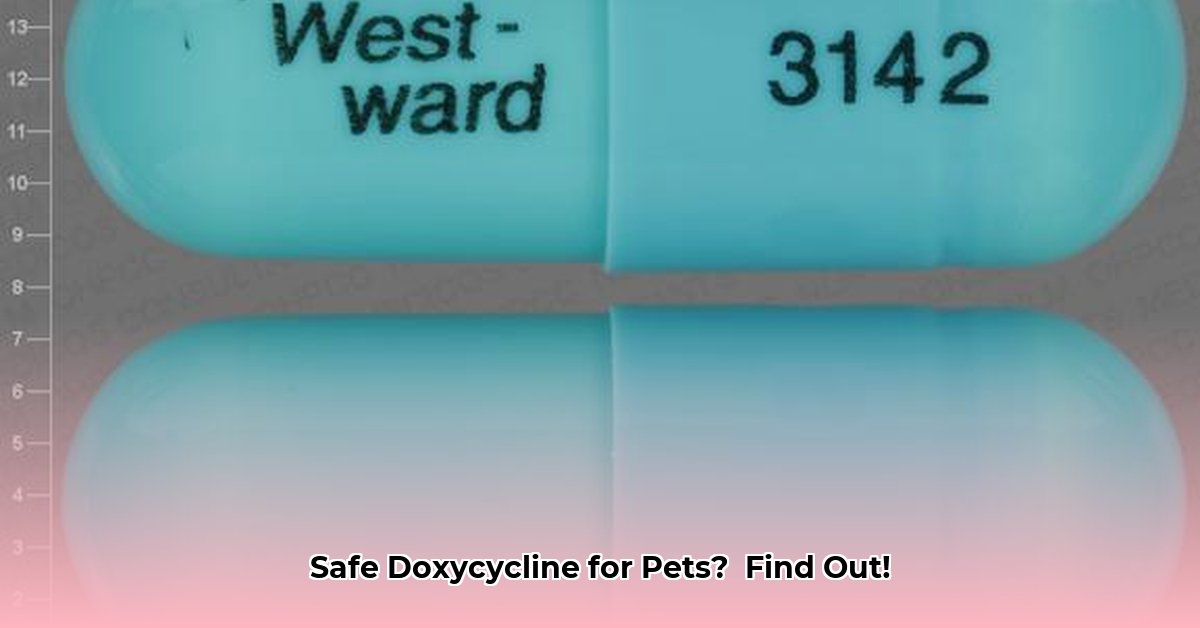
Finding the right medication for your pet can be stressful, especially when dealing with bacterial infections. This guide provides information on doxycycline, a common antibiotic sometimes found at Tractor Supply. However, it is crucial to understand that this information is for educational purposes only and should never replace professional veterinary advice. Always consult your veterinarian before administering any medication to your pet. For more pet supplies, check out Tractor Supply products.
Understanding Doxycycline: How It Works
Doxycycline is a broad-spectrum antibiotic (a type of medicine that fights many different kinds of bacteria). It works by interfering with a bacteria's ability to produce essential proteins, ultimately preventing their growth and killing them. Remember, it's effective against bacteria, not viruses or fungi. A veterinarian's diagnosis is essential to determine if doxycycline is the appropriate treatment.
Common Veterinary Uses for Doxycycline
Veterinarians often prescribe doxycycline to treat various bacterial infections in pets, including:
- Urinary Tract Infections (UTIs): These infections can cause discomfort and pain.
- Bladder Infections (Cystitis): Similar to UTIs, these infections require treatment to alleviate discomfort.
- Lyme Disease: This tick-borne illness, if diagnosed by your vet, may be treated with doxycycline.
- Chlamydia Infections: Specific types of chlamydia infections in pets can respond well to doxycycline.
Dosage and Administration: The Veterinarian's Role
Determining the correct doxycycline dosage for your pet is crucial and must be done by your veterinarian. The appropriate dose depends on your pet's weight, age, overall health, and the specific infection. Doxycycline is usually administered orally, either directly or mixed with food, as instructed by your vet. Never attempt to guess the dosage; incorrect amounts can be harmful.
Potential Side Effects: What to Watch For
While generally safe, doxycycline can cause side effects. These are usually mild but require monitoring:
- Gastrointestinal Upset: Nausea, vomiting, or diarrhea are possible.
- Decreased Appetite: Temporary loss of appetite may occur.
- Photosensitivity: Increased sensitivity to sunlight might develop. Limit sun exposure.
More serious reactions are rare, but immediate veterinary attention is needed if you observe any unusual changes in your pet's behavior, appetite, energy levels, or skin reactions.
Contraindications: When to Avoid Doxycycline
Doxycycline is not suitable for all pets. Avoid using it if your pet has:
- Kidney or Liver Disease: Pre-existing kidney or liver issues can be worsened by doxycycline.
- Pregnancy or Lactation: Pregnant or nursing animals should generally avoid doxycycline unless specifically instructed by a veterinarian.
Always provide your veterinarian with a complete medical history to ensure safe medication choices.
Precautions and Interactions: Important Considerations
Certain factors can affect doxycycline's effectiveness:
- Dairy Products: Avoid giving doxycycline with dairy products, as they can reduce its absorption.
- Other Medications: Inform your veterinarian about all medications your pet is taking to prevent potential drug interactions.
Your veterinarian can address specific precautions and interactions based on your pet's individual health status.
Storage and Disposal: Responsible Pet Ownership
Store doxycycline according to the label instructions, keeping it in a cool, dry place, away from children and pets. When disposing of unused medication, never flush it; rather contact your veterinarian or local authorities for proper disposal methods.
Did you know that improper disposal of medications can harm the environment? Responsible disposal is crucial for protecting both your pet and the planet.
Conclusion: The Importance of Veterinary Consultation
This information serves as a general guide to understanding doxycycline's use in veterinary medicine. However, always consult your veterinarian for proper diagnosis, treatment planning, and drug administration. They are the best resource for ensuring your pet's health and well-being. Never self-treat; a vet's expertise is crucial for safe and effective care. Remember, a healthy pet is a happy pet!